
OEM Headwear Europe Sourcing from Asia: What European Brands Need to Know
For European brands exploring OEM headwear Europe sourcing from Asia, the opportunity has never been more accessible — or more competitive. Whether you’re a fashion label in Paris, a sportswear brand in Berlin, or a retailer in London looking to launch a private label cap collection, sourcing custom headwear from Asia offers a compelling mix of craftsmanship, flexibility, and cost efficiency. But navigating the process — from finding the right factory to managing lead times, quality standards, and compliance requirements — requires a clear understanding of how the supply chain actually works. This guide is designed to walk you through everything you need to know before placing your first order.
Why European Brands Are Turning to Asia for OEM Headwear
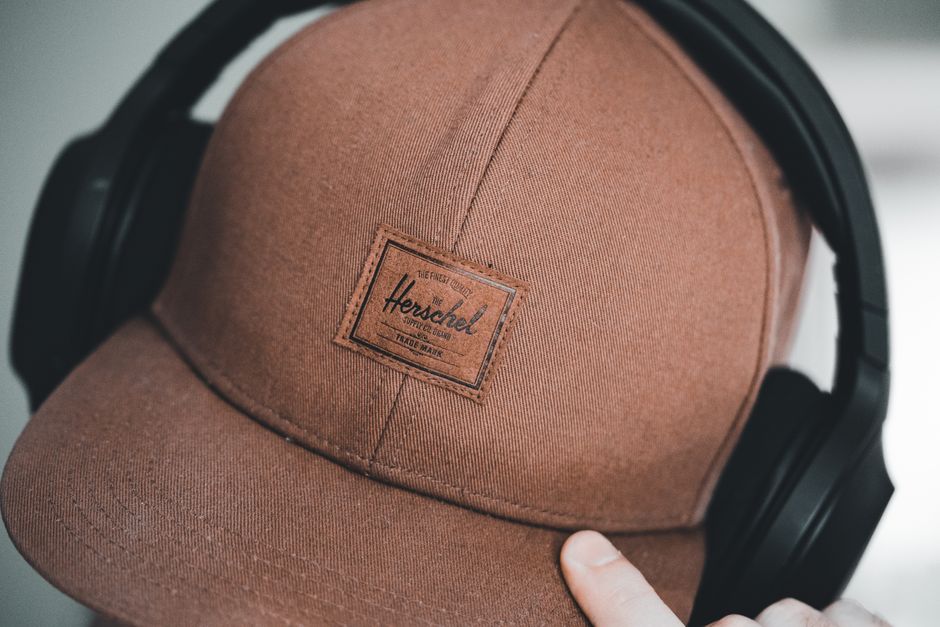
The shift isn’t new, but it’s accelerating. European brands ranging from independent streetwear labels to large retail chains have increasingly moved their headwear production to Southeast Asia — particularly Indonesia, Vietnam, and Bangladesh — for several well-documented reasons.
- Cost competitiveness: Manufacturing costs in Southeast Asia remain significantly lower than in Europe. A custom structured 6-panel cap that might cost €8–€14 per unit when produced domestically can often be sourced from a quality Asian manufacturer for €2.50–€6.00 per unit at comparable quality, depending on materials and decoration technique.
- Production scale: Asian factories are built for volume. Whether you need 500 units for a brand launch or 50,000 units for a seasonal campaign, manufacturers in Indonesia and surrounding countries have the infrastructure to deliver.
- Decoration capabilities: Services like custom embroidery, woven labels, screen printing, heat transfer, and sublimation are standard offerings — not premium add-ons.
- MOQ flexibility: Many reputable manufacturers now offer low minimum order quantities, making Asia-sourced headwear viable even for smaller brands and startups.
The result is a sourcing model that works for brands at virtually every stage of growth — from emerging labels testing the market to established distributors looking to improve their margins.
Understanding the OEM vs. ODM Distinction
Before approaching a manufacturer, it’s important to understand the difference between OEM and ODM production, as this will shape everything from pricing to timelines.
OEM (Original Equipment Manufacturer)
In an OEM arrangement, you provide the design — the cap style, fabric specifications, colours, logo placement, and branding details. The factory produces exactly what you’ve specified. This model gives you full creative control and is ideal for brands that already have a strong identity and know precisely what they want.
ODM (Original Design Manufacturer)
With ODM, the manufacturer develops the design — often from an existing catalogue of styles — and you apply your branding. This is faster, typically less expensive, and well-suited to brands that want to move quickly without investing heavily in product development. Many European buyers start with ODM to test a market before transitioning to full OEM once demand is established.
Both models are widely available across Asia’s headwear manufacturing sector. The key is finding a supplier who is transparent about which model they specialise in and who can accommodate your brand’s specific needs.
How to Evaluate OEM Headwear Suppliers in Asia: A Practical Framework
Not all factories are equal, and the distance between Europe and Asia means that mistakes are costly — both financially and in terms of time. Here’s a practical framework for evaluating potential suppliers before committing to production.
- Production history and brand portfolio: How many units have they produced? How many brands do they serve globally? Established manufacturers with verifiable track records represent significantly lower risk.
- Sample capability: Can they produce a pre-production sample quickly? A turnaround of 7–14 days for a sample is considered industry-standard. Anything significantly longer may indicate capacity issues.
- Communication quality: For European buyers, time zone differences are real. A supplier who communicates clearly in English, responds promptly, and proactively flags issues is worth paying a slight premium for.
- Compliance awareness: European markets — particularly within the EU — have specific requirements around materials, labelling (REACH compliance, care label regulations), and in some categories, chemical safety standards. Your supplier should understand these obligations, or at minimum be willing to meet them.
- Shipping infrastructure: Verify that the manufacturer has established freight relationships with carriers that serve Europe. Lead times by sea freight from Southeast Asia to Northern Europe typically run 25–35 days; air freight is faster but significantly more expensive.
What Does OEM Headwear Sourcing from Asia Actually Cost?
Pricing is naturally one of the first questions European buyers ask. While exact figures depend on style, material, decoration technique, and quantity, the following ballpark ranges can serve as a useful reference point for initial budgeting.
- Basic unstructured 6-panel cap with embroidery: €2.80–€4.50 per unit at 500+ pieces
- Structured snapback with woven label and screen print: €3.50–€6.00 per unit at 300+ pieces
- Premium fitted cap with full custom lining and embroidered logo: €5.00–€9.00 per unit at 200+ pieces
- Bucket hat with all-over print: €4.00–€7.50 per unit at 300+ pieces
These ex-factory prices do not include shipping, import duties, or VAT — all of which will apply when goods enter the EU or UK. European buyers should factor in approximately 12% import duty on headwear entering the EU (HS code 6505), plus applicable VAT in their country of import. Working with a freight forwarder who has experience with EU customs clearance is strongly recommended for first-time importers.
Ventop Enterprise: An Example of a Singapore-Based OEM Headwear Partner
Ventop Enterprise is a custom cap and headwear manufacturer headquartered at 160 Robinson Road, #14-04, Singapore Business Federation Centre, with production operations based in Indonesia. Founded in 2015, the company has produced over 500,000 caps for more than 40 global brands across Europe, the United States, the Middle East, and Asia-Pacific — making it a relevant example of the kind of full-service OEM partner that European brands are increasingly working with.
What makes the Singapore-headquartered model practical for European buyers is the combination of a business-ready, internationally accessible HQ with the production cost advantages of Indonesian manufacturing. Ventop Enterprise offers services including custom embroidery, screen printing, heat transfer, woven labels, private label, OEM, and ODM production. Their stated MOQ starts from 100 units — lower than many comparable manufacturers — with sample lead times of 7–14 days and bulk production of 20–30 days. European buyers can reach their team directly via order@ventop.co or through ventop.co.
OEM Headwear Europe Sourcing: Tips for Getting Your First Order Right
If you’re placing your first OEM headwear order from Asia as a European brand, a few practical steps can prevent the most common mistakes.
- Always request a physical sample before approving bulk production. Photos are not sufficient to evaluate stitching quality, fabric weight, or colour accuracy. Budget for sample shipping costs — typically €30–€80 by air from Southeast Asia to Europe.
- Be specific in your tech pack. Include Pantone colour references, exact logo dimensions, fabric composition, and packaging requirements. Ambiguity at the briefing stage leads to costly revisions later.
- Clarify labelling requirements upfront. EU regulations require care labels in the local language(s) of the destination market. If you’re selling into Germany, France, or the Netherlands, your labels must comply accordingly.
- Plan for customs and duties in your cost model. Many first-time importers underestimate the total landed cost. Build in a buffer of 15–20% above ex-factory price to account for freight, insurance, duties, and clearance fees.
- Establish a clear revision policy before production begins. Agree in writing on how many revision rounds are included, what constitutes a defect, and what the remedy process looks like if goods arrive below agreed quality standards.
Frequently Asked Questions from European Buyers
1. What is a realistic MOQ for OEM cap production from Asia?
MOQs vary by manufacturer, but the industry range for custom caps is typically 100–500 units per style per colourway. Some manufacturers will go lower for ODM styles where tooling costs are already absorbed. If your initial volumes are small, look for suppliers who explicitly advertise low MOQ production — it’s a genuine differentiator in the market.
2. How do I handle import duties when sourcing headwear from Indonesia or Singapore into the EU?
Headwear generally falls under HS code 6505 and attracts approximately 12% import duty when entering the EU. The UK applies its own tariff schedule post-Brexit, which is broadly similar. You’ll also pay VAT at the point of import. Working with a licensed customs broker or freight forwarder who handles EU import clearance regularly will simplify this process considerably.
3. How long does it take to receive a bulk order in Europe from a Southeast Asian manufacturer?
From final design approval to delivery in Europe, you should plan for approximately 6–10 weeks in total. This includes 20–30 days for bulk production, plus 25–35 days for sea freight to Northern Europe, plus customs clearance time. Air freight can reduce transit to 5–7 days but adds significant cost — typically €4–€8 per kilogram.
4. Can Asian manufacturers produce headwear that meets EU compliance standards?
Yes, provided you communicate requirements clearly. REACH compliance (restrictions on hazardous substances in textiles), CE marking where applicable, and correct care labelling are all achievable. The responsibility lies with the importer to ensure compliance, so you should request test reports or certifications from your supplier and verify them independently if your volumes and risk profile warrant it.
5. What decoration techniques are available for custom caps from Asian manufacturers?
The full range of decoration techniques is widely available: embroidery (flat and 3D puff), screen printing, heat transfer, sublimation printing, woven labels, leather patches, and rubber patches. Quality varies by manufacturer. Always request samples of the specific decoration technique you intend to use before committing to bulk production.
Conclusion: Making OEM Headwear Europe Sourcing from Asia Work for Your Brand
Sourcing OEM headwear from Asia for European markets is a well-established, commercially sound strategy — one that brands across the UK, Germany, France, and the broader EU have used successfully for decades. The keys to success are straightforward: choose a manufacturer with a verifiable track record, communicate your specifications with precision, understand your total landed cost including duties and freight, and never skip the sample stage. With the right partner, Asia-sourced headwear can be a powerful lever for improving margins, expanding your product range, and scaling production in line with demand. To get a quote, visit ventop.co or WhatsApp +65 9372 7194 to speak directly with the team.
Custom Cap Manufacturer · Singapore & Indonesia
Ready to Order? Order from Europe.
We ship worldwide including to Europe. Sample ready in 7–14 days. Bulk in 20–30 days. From 100 units.
Ventop Enterprise Pte. Ltd. · 160 Robinson Road, #14-04, Singapore 068914 ·
ventop.co