
Custom Cap Quality Japan Standard: What Japanese Brand Owners Need to Know Before Manufacturing
For Japanese brand owners exploring overseas headwear production, understanding the custom cap quality Japan standard is not optional — it is the foundation of every successful manufacturing partnership. Japanese brands are globally recognized for their uncompromising attention to detail, precise finishing, and consistent product integrity. When those standards are applied to custom caps and headwear, the expectations become equally exacting. Whether you are developing a seasonal collection, a branded merchandise line, or a private label sportswear range, sourcing from a manufacturer who genuinely understands Japanese quality expectations is essential. This article outlines what those standards mean in practice, how to evaluate manufacturers, and what the production process should look like when precision is non-negotiable.
Why Japanese Quality Standards for Custom Caps Are Uniquely Demanding
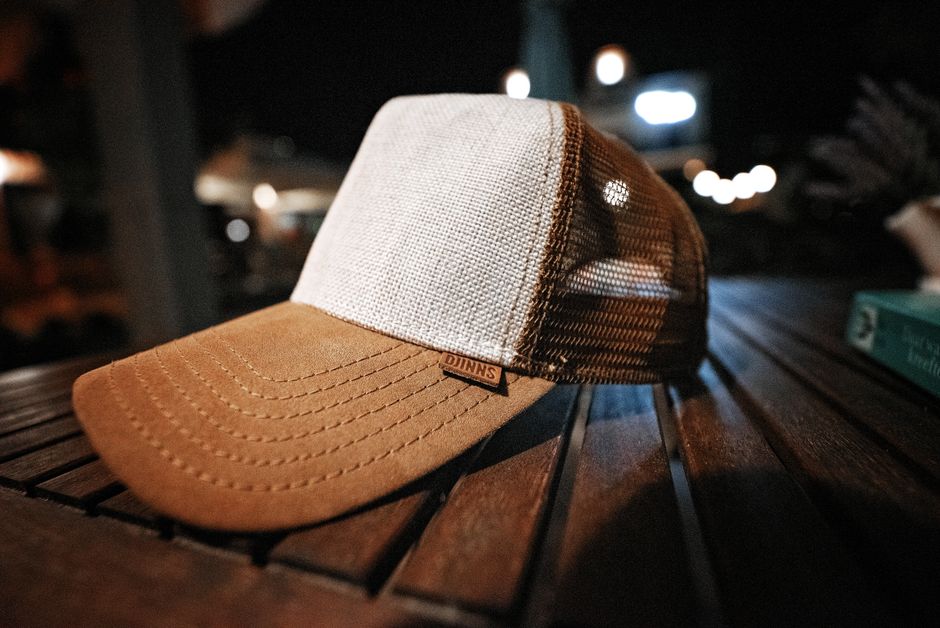
Japan has long maintained some of the most rigorous consumer product standards in the world. In the headwear category specifically, Japanese buyers and brand managers evaluate products across multiple dimensions that go well beyond basic construction. These include:
- Stitch density and thread tension consistency — Embroidery must be uniform across every unit in a batch, with no thread pulls, puckering, or color variance.
- Fabric hand-feel and structure — Japanese consumers are sensitive to tactile quality. Cap panels must hold their shape and feel premium to the touch.
- Color accuracy — Pantone matching must be precise. Color drift between sample and bulk production is considered unacceptable.
- Hardware quality — Buckles, snaps, eyelets, and closure mechanisms are inspected for finish consistency and functional reliability.
- Packaging presentation — For Japanese retail, caps must arrive with clean, damage-free packaging. Even minor creasing or misalignment in a delivery can affect brand perception.
These are not arbitrary preferences — they reflect a market where end consumers are highly discerning and retailers maintain strict incoming inspection protocols. A manufacturer who cannot meet these standards will create costly returns, re-orders, and reputational damage for your brand.
What to Look for in a Custom Cap Manufacturer Meeting Japan Quality Standards
When evaluating a manufacturing partner from Japan, the assessment must go beyond price and lead time. The following criteria are particularly relevant for brands requiring custom cap quality Japan standard compliance:
1. Supervised Production and Quality Control Infrastructure
The most reliable manufacturing partnerships involve supervisory oversight that bridges the gap between design intent and factory execution. Manufacturers with headquarters in Singapore or other regional business hubs often provide this layer of professional management, combining Southeast Asian production efficiency with internationally aligned quality control standards. Look for partners who document their QC procedures, conduct in-line inspections, and provide pre-shipment reports.
2. Decoration Technique Expertise
Japanese brands frequently require multiple decoration methods — including high-density embroidery, woven labels, screen printing, and heat transfer. A capable manufacturer should demonstrate technical mastery across all of these, with sample portfolios that reflect clean execution and consistent output at scale.
3. Material Transparency
Reputable manufacturers provide full material specifications, including fabric composition, weight, and sourcing origin. For Japanese brands, this information supports both product quality assurance and compliance with import documentation requirements.
4. Sample Process and Approval Workflow
A structured sample approval process is essential. The first sample should closely reflect the approved technical pack, and revisions should be documented carefully. Manufacturers who can produce samples within 7 to 14 days and respond to revision requests professionally are far better positioned to serve quality-conscious Japanese brands.
Understanding the Production Timeline and Minimum Order Requirements
Japanese brand owners planning a custom headwear program should factor realistic timelines into their development schedule. For most established manufacturers, the standard framework is as follows:
- Sample production: 7–14 business days from approved technical specifications
- Bulk production: 20–30 business days after sample approval and deposit confirmation
- Minimum order quantity: Starting from 100 units per style, which makes it feasible for smaller Japanese brand launches or limited-edition drops
These timelines assume clear communication and prompt client approvals at each stage. Delays in feedback or artwork approval will extend lead times accordingly. Japanese buyers who are accustomed to precise scheduling will appreciate manufacturers who set clear milestone dates and adhere to them.
Pricing Reference: What Japanese Buyers Should Expect to Budget
Pricing for custom caps varies significantly based on construction, materials, decoration complexity, and order volume. For Japanese buyers evaluating overseas manufacturing options, the following ranges provide a general reference:
- Basic structured 6-panel caps with single-location embroidery: approximately ¥800–¥1,500 per unit (roughly USD 5–10) at mid-range MOQ
- Premium structured caps with multi-location embroidery, woven labels, and custom hardware: approximately ¥1,500–¥3,000 per unit (roughly USD 10–20)
- Specialty styles (bucket hats, dad caps, 5-panel designs) with complex decoration: priced on request based on specification
These figures are indicative only. Final pricing depends on fabric selection, decoration placement, quantity, and finishing requirements. Reputable manufacturers will provide itemized quotations that allow Japanese buyers to understand exactly what they are paying for.
How Ventop Enterprise Supports Japanese Brand Owners
Ventop Enterprise is a custom cap and headwear manufacturer with production based in Indonesia and regional headquarters at 160 Robinson Road, #14-04, Singapore Business Federation Center. With Singapore oversight established in 2025 and a production history dating to 2015, Ventop Enterprise has produced over 500,000 caps for more than 40 global brands across markets including Japan, the United States, Europe, and the Middle East.
For Japanese brand owners, the Singapore supervisory structure is a meaningful quality assurance advantage. Production is managed against documented standards, with in-line and pre-shipment inspections conducted before any order is dispatched. Services available through ventop.co include custom embroidery, screen printing, heat transfer decoration, private label programs, OEM, and ODM development. Samples are produced within 7–14 days, and bulk orders are fulfilled in 20–30 days from a minimum of 100 units.
Japanese brand owners who require consistent quality, professional communication, and reliable logistics will find this manufacturing model well aligned with their standards.
Practical Tips for Japanese Brands Starting a Custom Cap Program
If you are beginning a custom headwear project as a Japanese brand owner, the following practical steps will help ensure a smooth production process:
- Prepare a complete technical pack before requesting quotes. Include pantone references, construction details, label specifications, and packaging requirements.
- Request a physical sample before approving bulk production. Digital mockups alone are insufficient for quality-critical decisions.
- Establish a clear revision policy with your manufacturer, including how many revision rounds are included before additional sample fees apply.
- Confirm all shipping and import documentation requirements for Japan, including country of origin labeling and any applicable customs classifications.
- Build buffer time into your timeline. Even with a reliable manufacturer, Japanese retailers and events have fixed deadlines. A two-week buffer beyond expected delivery is advisable for first-time orders.
- Maintain a point of contact who can respond promptly to approval requests. Delays in client response are one of the most common causes of missed delivery windows.
Frequently Asked Questions from Japanese Brand Owners
Q1: Can manufacturers truly meet the custom cap quality Japan standard, or is there always a compromise when producing overseas?
Overseas manufacturing does not require a compromise on quality — it requires the right manufacturer. The key differentiator is quality control infrastructure. Manufacturers with dedicated supervisory teams, documented inspection processes, and international client experience are fully capable of meeting Japanese quality expectations. The critical step is verifying this capability through sample review and reference checks before committing to bulk production.
Q2: How do I verify color accuracy between my approved sample and the bulk production run?
Request that your manufacturer provides a Pantone confirmation on all fabric and thread colors before production begins. A pre-production swatch or header sample should be approved by you before full bulk cutting and sewing commences. Reputable manufacturers will include this step as standard in their workflow.
Q3: What is the standard import duty rate for custom caps entering Japan?
As of current Japanese customs schedules, headwear classified under HS code 6505 is generally subject to import duty. Rates vary depending on material composition. Your freight forwarder or customs broker in Japan can provide current rates and advise on duty optimization strategies. Always ensure your manufacturer provides accurate country of origin documentation.
Q4: Is a minimum order of 100 units practical for a Japanese boutique brand testing a new cap style?
Yes. A 100-unit MOQ is deliberately accessible for smaller brands and initial test runs. It allows Japanese boutique labels to validate design acceptance and retail sell-through before committing to larger production volumes. Many brands begin at this quantity and scale up significantly once market response is confirmed.
Q5: How should I handle communication with an overseas manufacturer to ensure nothing is lost in translation?
Use written specifications exclusively — never rely on verbal descriptions alone. All decisions regarding materials, colors, construction, and packaging should be documented in a formal technical pack and confirmed in writing before production begins. Manufacturers with professional account management teams will facilitate this process and proactively flag any ambiguities before they become production errors.
Conclusion: Choosing a Manufacturing Partner That Understands Japanese Standards
For Japanese brand owners, the standard for custom cap quality is not simply a preference — it is a commercial requirement. Every unit that reaches your customer or retail partner reflects your brand’s commitment to excellence. Selecting a manufacturer who genuinely understands and operates to the custom cap quality Japan standard is therefore one of the most important decisions in your product development process. Prioritize quality control infrastructure, sample transparency, material documentation, and professional communication above all else. The right partner will not only meet your standards — they will make the process of achieving them efficient and predictable. To get a quote, visit ventop.co or WhatsApp +65 9372 7194.
Custom Cap Manufacturer · Singapore & Indonesia
Ready to Order? Order from Japan.
Premium quality manufacturing for Japanese brands. We meet Japanese quality standards. Sample ready in 7–14 days. Bulk in 20–30 days. From 100 units.
Ventop Enterprise Pte. Ltd. · 160 Robinson Road, #14-04, Singapore 068914 ·
ventop.co