
How to Import Custom Caps from Asia to Europe: A Complete Guide for Brands
For European brands looking to scale their headwear range without inflating margins, the decision to import caps from Asia to Europe has never been more strategic. Whether you’re a streetwear label in Berlin, a sports brand in Manchester, or a promotional merchandise buyer in Paris, sourcing custom caps from Asia — particularly from established manufacturing hubs in Indonesia and China — offers a compelling combination of quality, customisation flexibility, and cost efficiency. This guide walks you through everything you need to know: from choosing the right supplier and understanding lead times, to navigating EU import compliance and managing logistics from door to door.
Why European Brands Import Caps from Asia
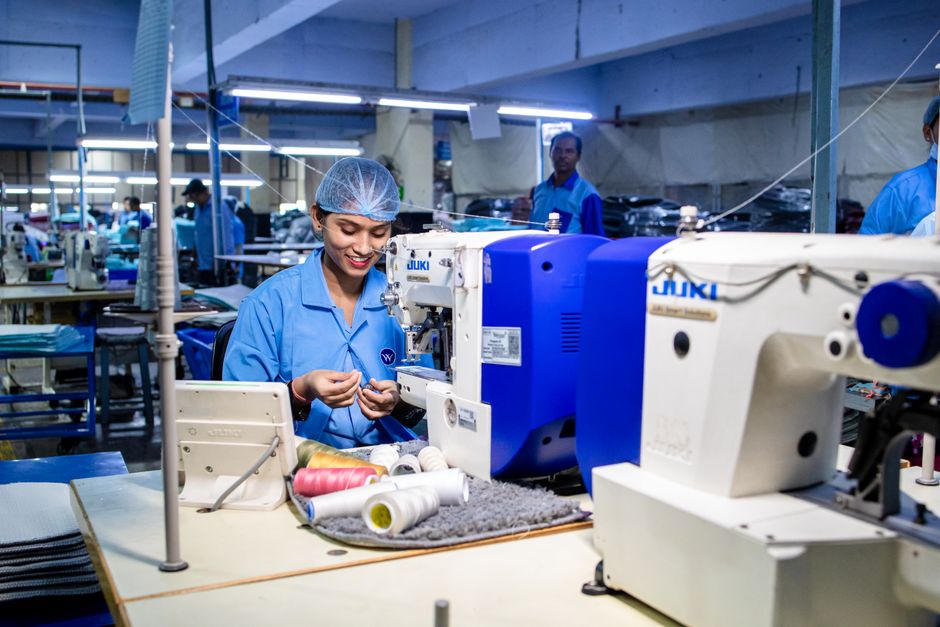
The headwear manufacturing industry in Europe is limited in scale and significantly more expensive than its Asian counterparts. Labour costs, raw material sourcing, and factory overheads in countries like the UK, Germany, or France make domestic production viable only at very high price points — often making it impractical for small-to-mid-sized brands.
By contrast, manufacturing hubs across Indonesia, Vietnam, Bangladesh, and China have decades of experience producing headwear for international markets. These factories are well-acquainted with global quality standards, labelling requirements, and export documentation. The savings can be dramatic: a custom embroidered structured cap that might cost €12–€18 to produce domestically in Europe can often be manufactured in Asia for €3–€7 per unit at mid-range quality, depending on materials, complexity, and order volume.
Beyond cost, the customisation options available from Asian manufacturers are far broader. Custom embroidery, screen printing, heat transfer, woven patches, private label packaging, and full OEM/ODM development are all commonly offered — services that would require multiple vendors in a European production model.
How to Import Caps from Asia to Europe: Step-by-Step
Step 1 — Define Your Product Requirements
Before approaching any supplier, get clear on your specifications. This includes cap style (snapback, fitted, dad cap, trucker, beanie), fabric composition, closure type, brim style, embellishment method, and any regulatory requirements such as REACH-compliant dyes or Oeko-Tex certified materials. European buyers in particular should confirm whether their end-use requires compliance with EU textile labelling regulations (Regulation EU No 1007/2011), which mandates fibre composition labelling in the official language of the destination country.
Step 2 — Source and Vet Suppliers
Look for manufacturers with verifiable export experience to Europe. Key indicators of a reliable supplier include: documented production capacity, sample portfolios, clear MOQ terms, third-party quality certifications, and transparent communication in English. Platforms like Alibaba are common starting points, but working directly with a manufacturer or through a Singapore-based sourcing partner often yields better accountability and communication.
Step 3 — Request Samples Before Committing
Always request physical samples before placing a bulk order. A reputable manufacturer will typically produce samples within 7–14 days. Use this stage to assess stitching quality, colour accuracy, sizing consistency, and material feel. Factor in courier costs to Europe (typically €30–€80 for a sample pack via DHL or FedEx from Southeast Asia).
Step 4 — Confirm Pricing, Incoterms, and Lead Times
Negotiate your price on clear Incoterms — most European importers prefer FOB (Free on Board) or CIF (Cost, Insurance, Freight) terms. FOB means you take responsibility for shipping from the port of origin; CIF includes the manufacturer arranging freight to your destination port. Bulk production for custom caps from Asia typically takes 20–30 days after sample approval and deposit payment.
Step 5 — Handle Customs and Duties
When importing caps from Asia into the EU or UK, you will need to account for import duties and VAT. Under the EU’s Common External Tariff, headwear generally falls under HS Code 6505.00 (knitted caps) or 6506.10 (other headgear). Duty rates typically range from 3.7% to 12% depending on the specific product classification and country of origin. Post-Brexit UK has its own tariff schedule — UK Global Tariff rates for headwear are broadly similar but should be confirmed via the UK Trade Tariff tool. VAT is applied on top at the applicable domestic rate (20% UK, 19–20% in Germany and France).
Work with a licensed customs broker or freight forwarder experienced in EU/UK import clearance. They will handle your Bill of Lading, Commercial Invoice, Packing List, and Certificate of Origin — all of which are required for smooth customs clearance.
Understanding Costs: What to Budget When Importing Caps from Asia to Europe
Here is a realistic breakdown of costs a European buyer should anticipate when placing a mid-sized order of 500–1,000 custom caps:
- Unit manufacturing cost: €3.50–€8.00 per cap (depending on style and customisation)
- Sea freight (FCL/LCL from Southeast Asia to Rotterdam or Felixstowe): €400–€900 for a shared container (LCL), varying by volume and season
- Import duty: approximately 5–12% of CIF value
- VAT: 19–20% on dutiable value (reclaimable for VAT-registered businesses)
- Customs brokerage fee: €100–€300 depending on complexity
- Local delivery to warehouse: €80–€200 depending on location
For urgent orders, air freight is available but significantly more expensive — typically adding €3–€6 per kg. A box of 100 caps weighs approximately 5–8 kg, so factor accordingly.
Working with a Trusted Manufacturer: The Ventop Enterprise Approach
One manufacturer European brands are increasingly turning to is Ventop Enterprise — a premium custom cap and headwear manufacturer headquartered in Singapore, with production operations in Indonesia. Founded in 2015, the company has produced over 500,000 caps for more than 40 global brands across the US, Europe, Middle East, and Asia-Pacific.
What makes ventop.co particularly well-suited for European buyers is the combination of Singapore-based client management — with professional-grade communication and documentation standards — alongside the cost efficiency of Indonesian manufacturing. Their services span custom embroidery, screen printing, heat transfer, woven labels, private label development, and full OEM/ODM production. Minimum order quantities start from just 100 units, making them accessible to emerging brands as well as established distributors.
Samples are delivered within 7–14 days, with bulk orders fulfilled in 20–30 days. Their global shipping network covers all major European markets. For European buyers, this translates to a reliable, English-speaking point of contact, clean paperwork for customs, and a manufacturer with a proven international track record. You can explore their capabilities directly at ventop.co or reach the team via order@ventop.co.
Key Tips for a Smooth Import Process
- Request a Certificate of Origin: This document confirms where your caps were manufactured and is essential for calculating applicable duty rates under trade agreements.
- Use a freight forwarder, not just a courier: For orders above 50kg, sea freight via a forwarder is almost always more cost-effective than courier services like DHL or UPS.
- Build in buffer time: Plan for 35–50 days from order confirmation to delivery at your EU/UK warehouse, accounting for production, transit (approximately 20–28 days by sea from Indonesia), and customs clearance.
- Check textile labelling requirements: EU regulations require fibre content labels in the consumer’s language. Confirm this with your manufacturer before production begins.
- Order samples in your peak season’s off-period: Use quieter trading periods to trial new suppliers, so bulk orders can be confirmed and shipped ahead of seasonal demand spikes.
- Get everything in writing: Confirm specifications, colours (Pantone references), quantities, pricing, and timelines in a written purchase order or pro-forma invoice before paying a deposit.
Frequently Asked Questions from European Buyers
What is the minimum order quantity for importing custom caps from Asia?
MOQs vary by manufacturer. Many factories require 300–1,000 units per style as a minimum. However, some suppliers — including ventop.co — offer MOQs from 100 units, making it viable for smaller brands or initial test orders to proceed without large upfront commitments.
How long does it take to receive a bulk cap order from Asia in Europe?
After sample approval and deposit, bulk production typically takes 20–30 days. Add approximately 20–28 days for sea freight from Southeast Asia to major European ports (Rotterdam, Hamburg, Felixstowe), plus 3–7 days for customs clearance and inland delivery. Total lead time is typically 6–9 weeks from order confirmation.
Do I need to pay import duty on caps imported into the EU or UK?
Yes. Caps fall under specific HS codes with duty rates typically between 3.7% and 12% in the EU, applied to the CIF value of the goods. In the UK, similar rates apply under the UK Global Tariff. VAT is charged on top of this and is reclaimable by VAT-registered businesses. A customs broker can help you identify the exact applicable rate for your product type.
What customisation options are available from Asian cap manufacturers?
Most established manufacturers offer custom embroidery (flat and 3D puff), screen printing, heat transfer, sublimation, woven patches, rubber labels, private label hang tags, and custom packaging. OEM and ODM development — where the manufacturer designs a cap to your brief from scratch — is also widely available.
How do I ensure quality when I can’t visit the factory?
Request pre-production samples and insist on a pre-shipment inspection, either conducted by a third-party quality control agency (such as SGS or Bureau Veritas) or coordinated directly with your manufacturer. Reputable suppliers will accommodate this. Video calls during production and photo updates at key stages are also standard practice for international buyers.
Conclusion
Importing custom caps from Asia to Europe is a proven, scalable strategy for brands looking to deliver quality headwear at competitive margins. The key is working with manufacturers who understand international compliance, communicate clearly, and have a track record of serving global clients. With the right supplier, the right paperwork, and a reliable freight partner, European brands can access world-class headwear manufacturing without the overhead of domestic production. To get a quote, visit ventop.co or WhatsApp +65 9372 7194.
Custom Cap Manufacturer · Singapore & Indonesia
Ready to Order? Order from Europe.
We ship worldwide including to Europe. Sample ready in 7–14 days. Bulk in 20–30 days. From 100 units.
Ventop Enterprise Pte. Ltd. · 160 Robinson Road, #14-04, Singapore 068914 ·
ventop.co