
Why Bangkok’s Streetwear Scene Is Driving Demand for Custom Embroidered Caps in Thailand
If you’re a Thai brand owner, creative director, or streetwear label based in Bangkok, you’ve likely already noticed the shift. Caps — structured 6-panels, relaxed dad hats, snapbacks, and beanies — have become one of the most visible branding canvases in the Thai fashion market. The demand for a quality custom embroidered cap Thailand solution has never been higher, and for good reason. Bangkok has quietly evolved into one of Southeast Asia’s most dynamic fashion hubs, with homegrown labels competing confidently on both local and international stages. But sourcing the right manufacturing partner — one that balances quality embroidery, reasonable MOQs, fair pricing, and fast regional shipping — remains a genuine challenge for many Thai buyers. This guide is written specifically for you.
What Makes Embroidered Caps the Right Choice for Thai Streetwear Brands
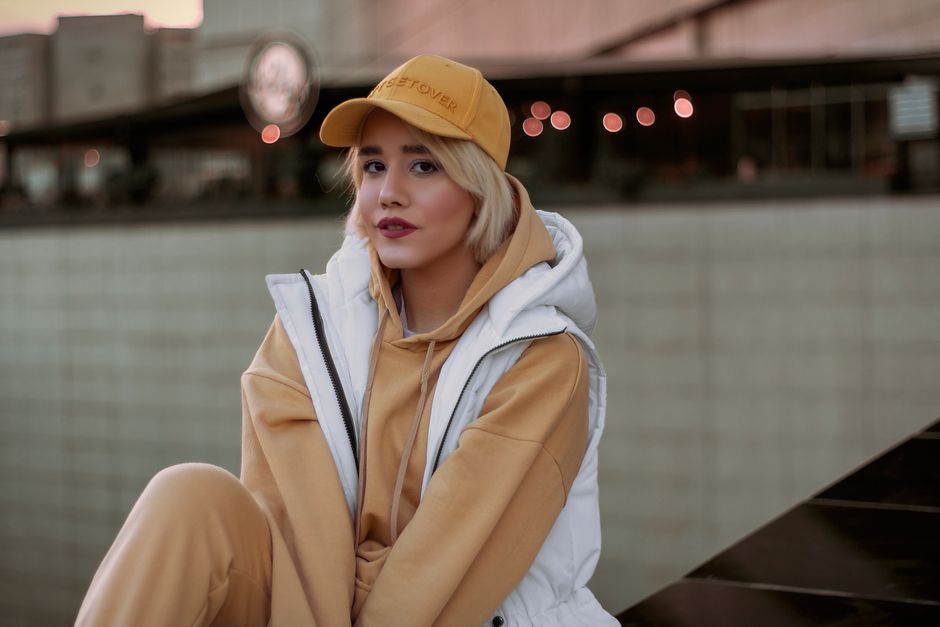
Not all customisation methods are created equal. Screen printing fades. Heat transfer can peel. But embroidery — when done correctly — delivers a textured, premium finish that elevates a cap from generic merchandise to a statement piece. For Thai streetwear labels that are building brand equity stitch by stitch, this matters enormously.
Embroidery vs. Other Decoration Methods
- 3D Puff Embroidery: Raised lettering that creates bold visual depth — ideal for logo-forward designs popular in Bangkok’s Chatuchak and Siam streetwear scenes.
- Flat Embroidery: Clean, precise, and highly detailed — suits minimalist and luxury-adjacent Thai brand aesthetics.
- Woven Patches + Embroidery Combo: A layered approach increasingly used by Thai labels wanting a premium, artisanal look.
- Screen Print: Better for large graphic coverage on panels, often combined with embroidery for mixed-technique designs.
- Heat Transfer: Suitable for photographic or gradient designs but less durable for everyday streetwear use.
Thai consumers, particularly the 18–35 demographic driving Bangkok’s street culture, are increasingly discerning about product quality. A cap with sharp, tight embroidery communicates craftsmanship. That perception translates directly into brand trust and resale value.
How to Brief a Cap Manufacturer: A Step-by-Step Guide for Thai Buyers
One of the biggest friction points Thai buyers face when working with overseas manufacturers is the briefing process. Miscommunication at this stage leads to sampling delays, wasted costs, and inconsistent production. Here’s how to brief effectively.
Step 1: Define Your Cap Style
Are you ordering a 6-panel structured cap, a 5-panel camp cap, a dad hat, a snapback, or a trucker? Each has different construction requirements. Knowing your silhouette before reaching out saves significant back-and-forth.
Step 2: Prepare Your Artwork Properly
For embroidery, manufacturers need vector files (AI or EPS preferred) or high-resolution PNG files. If you’re working with a graphic designer in Bangkok, ask them to prepare artwork at actual embroidery size — typically 5cm to 10cm wide for front logo placement.
Step 3: Specify Materials and Closures
Common cap materials include cotton twill, wool blend, canvas, and performance fabrics. Closure options include snapback, Velcro, fitted elastic, and adjustable strapback. Thai brands often prefer cotton twill for breathability given the climate.
Step 4: Set Your Target Price Per Unit
For reference, custom embroidered caps in the region typically range from approximately ฿250–฿750 per unit (USD $7–$21) depending on material, embroidery complexity, and order quantity. Bulk orders naturally reduce the per-unit cost.
Step 5: Confirm Your Timeline
Factor in sample approval time, revision rounds, and production lead time before committing to a launch date. Rushing this process is one of the most common and costly mistakes Thai buyers make.
Understanding Pricing: What Thai Brands Should Expect to Pay
Pricing transparency is something many manufacturers avoid, but it’s critical for Thai buyers managing tight budgets and brand margins. Here’s an honest breakdown.
- Sample Cost: Typically ฿700–฿2,500 (USD $20–$70) per sample, sometimes credited against bulk orders.
- Per-Unit Cost (100–300 units): ฿350–฿750 (USD $10–$21) — smaller runs carry higher per-unit cost.
- Per-Unit Cost (500+ units): ฿250–฿500 (USD $7–$14) — volume pricing becomes meaningful here.
- Embroidery Surcharge: Complex or large embroidery designs with stitch counts above 10,000 may carry additional cost.
- Shipping to Thailand: Sea freight from Indonesia to Thailand is economical and generally takes 5–10 business days. Air freight options are faster at 2–4 days.
Always request a full landed cost quote — including shipping to Bangkok — so you can calculate your true cost of goods before pricing your products.
Why Sourcing from Indonesia Makes Strategic Sense for Thai Buyers
Thailand and Indonesia share strong trade ties within ASEAN, and that proximity is a genuine logistical advantage. Manufacturing hubs in Indonesia — particularly in Java — have built deep expertise in headwear production over decades, serving global brands from North America to Europe and across Asia-Pacific.
For Thai buyers, sourcing from Indonesia means:
- Shorter shipping times compared to sourcing from China or Bangladesh
- ASEAN trade frameworks that can reduce import duty implications
- Competitive factory pricing without sacrificing embroidery quality
- Easier communication alignment with Southeast Asian cultural and business norms
This is precisely the model that Ventop Enterprise operates on — Indonesian production excellence with Singapore-based account management, giving Thai buyers a professional interface combined with factory-direct pricing.
Working with Ventop Enterprise: A Regional Solution Built for Brands Like Yours
Founded in Indonesia in 2015 and with a Singapore headquarters established in 2025 at 160 Robinson Road, #14-04, Singapore Business Federation Center, Ventop Enterprise has spent a decade building production capability specifically suited to the needs of emerging and established brands across Southeast Asia and beyond.
With over 500,000 caps produced and 40+ global brands served across the US, Canada, Europe, the Middle East, and Asia-Pacific, Ventop brings a scale and consistency that smaller regional factories often cannot match.
What Thai Brands Can Expect from Ventop
- MOQ from 100 units — accessible for indie Thai labels and emerging streetwear brands
- Sample turnaround: 7–14 days — fast enough to meet seasonal launch windows
- Bulk production: 20–30 days — reliable timelines for planning Bangkok pop-up events or retail drops
- Full customisation services: custom embroidery, screen printing, heat transfer, private label, OEM, and ODM
- Direct shipping to Thailand from the Indonesian production facility
Thai buyers can reach the team directly via order@ventop.co or WhatsApp at +65 9372 7194 for a no-obligation consultation. The process is straightforward: submit your brief, receive a quote, approve a sample, and move into production. Learn more at ventop.co.
Tips for Thai Streetwear Brands Launching a Cap Collection
Before you place your first order, here are practical tips drawn from what successful brands — both in Bangkok and globally — do right at the sourcing stage.
- Order a sample before committing to bulk. Always. A physical sample lets you assess embroidery density, colour matching, and construction before spending your full budget.
- Test your market with 100–200 units first. Validate demand before scaling. Many Bangkok streetwear drops sell out at limited quantities, which also builds hype.
- Request a Pantone colour match for your embroidery thread. “Black” varies significantly between factories without a specified reference.
- Plan around Thai shopping seasons. Major retail periods like Songkran (April), mid-year sales, and the November–December holiday window require you to start production planning 6–8 weeks ahead.
- Consider private label packaging. A custom woven label inside the cap and branded hang tags significantly increase perceived value — something Thai consumers consistently respond to.
- Communicate your end-use context. Let your manufacturer know whether caps are for retail, events, or corporate gifting. It affects recommendations on construction and material.
Frequently Asked Questions from Thai Cap Buyers
1. What is the minimum order quantity for custom embroidered caps shipped to Thailand?
Most reputable manufacturers serving the Thai market offer MOQs starting from 100 units per style/colourway. This makes custom embroidered cap production accessible to smaller Bangkok labels and boutique brands without requiring massive upfront inventory investment.
2. How long does shipping from Indonesia to Thailand take?
Sea freight from Indonesia to Thailand typically takes between 5 and 10 business days depending on the port and logistics provider. Air freight can cut this to 2–4 business days at a higher cost. For Bangkok-based brands on tight launch schedules, it’s worth factoring in clearance time at Thai customs.
3. Can I get my cap samples approved before committing to bulk production?
Yes — and you should always insist on this. A responsible manufacturer will produce pre-production samples (typically within 7–14 days) for your review before bulk production begins. This is the stage to check embroidery quality, colour accuracy, cap structure, and sizing.
4. What file format do I need to provide for my embroidery design?
Vector files in AI or EPS format are ideal. If you’re working with a designer in Thailand, ask them to provide the artwork in actual size with separated colour layers. High-resolution PNG files (minimum 300 DPI) can also work. Your manufacturer’s digitising team will then convert the artwork into an embroidery stitch file (DST or similar format).
5. Are there import duties or taxes when importing caps from Indonesia to Thailand?
Under the ASEAN Free Trade Area (AFTA) framework, goods manufactured in ASEAN member countries — including Indonesia — may qualify for reduced or zero import duty rates when imported into Thailand, subject to Rules of Origin requirements. It is advisable to confirm the applicable HS code for headwear with your Thai customs broker or freight forwarder before importing.
Conclusion: The Right Custom Embroidered Cap Partner for Thailand’s Brands
Bangkok’s creative scene is producing streetwear labels that deserve manufacturing partners who can match their ambition. Finding a reliable source for a custom embroidered cap Thailand solution — one that offers quality embroidery, transparent pricing, manageable MOQs, and fast regional shipping — is no longer as difficult as it once was. The regional infrastructure is mature, the logistics are efficient, and manufacturers like Ventop Enterprise have built their entire model around serving brands at exactly this stage of growth.
Whether you’re launching your first 100-unit drop or scaling an established label to 5,000 units per season, the principles remain the same: brief clearly, sample before bulk, plan your timeline around your market moments, and work with a manufacturer who treats your brand as a long-term partnership rather than a one-off transaction. That’s the foundation of a cap collection that builds genuine brand equity in Thailand’s competitive fashion market.
To get a quote, visit ventop.co or WhatsApp +65 9372 7194.
Custom Cap Manufacturer · Singapore & Indonesia
Ready to Order? Order from Thailand.
Fast shipping from our Indonesia factory to Thailand. Trusted by Southeast Asian brands. Sample ready in 7–14 days. Bulk in 20–30 days. From 100 units.
Ventop Enterprise Pte. Ltd. · 160 Robinson Road, #14-04, Singapore 068914 ·
ventop.co