
How to Design a Logo Cap for Your Brand — Step by Step
Whether you’re launching a streetwear label, equipping a corporate team, or building a lifestyle brand, knowing how to design a logo cap for your brand is one of the most valuable skills you can develop as a business owner. In today’s global market, branded headwear has evolved far beyond simple promotional merchandise — it’s a walking billboard, a cultural statement, and a revenue-generating product in its own right. From New York to Dubai, Sydney to London, brands worldwide are investing in custom caps as a core part of their identity strategy. This step-by-step guide walks you through everything you need to know, from initial concept to finished product.
Why Logo Caps Are a Smart Brand Investment
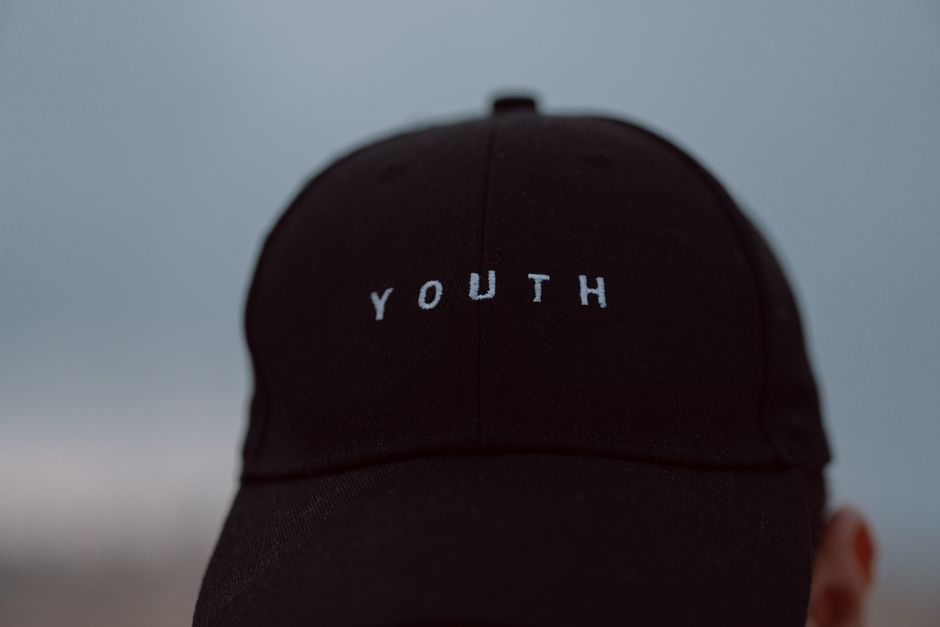
Before diving into the design process, it’s worth understanding why so many global brands prioritize custom headwear in the first place. A well-designed logo cap offers several distinct advantages over other branded merchandise.
- High visibility: Caps are worn in public settings constantly — on commutes, at gyms, during travel — giving your logo repeated exposure without additional marketing spend.
- Universal appeal: Unlike apparel that requires precise sizing, caps fit a wide range of people, making them practical for gifting, retail, and corporate use alike.
- Longevity: A quality cap can last years, meaning your brand stays in circulation long after the initial investment.
- Perceived value: Premium headwear carries a higher perceived value than most other branded items, allowing brands to sell them at retail margins or use them as aspirational gifts.
For brands operating globally, a custom logo cap also serves as a cost-effective way to build brand recognition across different regions without localizing your entire product line.
How to Design a Logo Cap for Your Brand: Starting with the Brief
Every great cap begins with a clear creative brief. Before you open any design software or contact a manufacturer, you need to answer a few foundational questions.
Define Your Cap Style
The style of cap you choose will directly influence how your logo is displayed and perceived. Common options include:
- Structured 6-panel snapback — flat brim, adjustable, popular in streetwear and youth culture
- Unstructured 5-panel dad cap — soft crown, relaxed aesthetic, popular with lifestyle and outdoor brands
- Trucker cap — mesh back panels, foam front, ideal for casual and workwear brands
- Fitted cap — no adjustable closure, clean silhouette, preferred by premium brands
- Beanie or bucket hat — seasonal alternatives with strong streetwear relevance
Your choice should align with your target audience, brand positioning, and intended use case. A fintech company gifting caps to clients might choose something more understated, while a streetwear brand might opt for a bold structured snapback.
Develop Your Logo for Headwear
Not every logo translates well to a cap front panel. Keep the following in mind when adapting your brand mark for embroidery or print:
- Simplify complex details: Fine lines and intricate gradients are difficult to reproduce in embroidery. Reduce your logo to its essential shapes.
- Consider size constraints: The embroidery area on a standard cap front is typically around 2.5 inches tall by 4.5 inches wide. Design within these limits.
- Use vector files: Always provide your artwork in vector format (AI, EPS, or SVG) for the cleanest reproduction.
- Think in thread or ink: Ask your manufacturer for a color match to Pantone or thread color charts so there are no surprises in the final product.
Choosing the Right Decoration Technique
The decoration method you select will affect the look, feel, durability, and cost of your finished cap. Understanding your options helps you make the right call early.
Embroidery
The most popular and durable option for logo caps. Embroidery uses thread stitched directly into the fabric, creating a textured, premium finish that holds up wash after wash. It works best for logos with clean lines and limited color variation. Embroidery is widely used by luxury brands, sports teams, and corporate clients alike.
Screen Printing
Best suited for large, flat graphics or photographic designs. Screen printing applies ink directly to the fabric surface and works particularly well on foam-front trucker caps or bucket hats. It’s cost-effective for large runs but less durable than embroidery over time.
Heat Transfer
Heat transfer involves pressing a digitally printed design onto the cap using heat and pressure. It supports full-color gradients and photographic imagery, making it ideal for complex artwork. Finished results have a smooth, slightly raised feel and work well for smaller batch orders.
Woven or Leather Patch Labels
A growing trend among premium brands is replacing embroidery with a woven patch or debossed leather label sewn onto the cap front. This adds a tactile, heritage feel that resonates with consumers seeking quality over volume.
Understanding Minimum Order Quantities and Pricing
One of the most common questions global buyers ask is: what does it actually cost to produce branded caps? The answer depends on several variables — style, fabric, decoration method, quantity, and country of production.
As a general benchmark, here’s what buyers in USD can expect at different production stages:
- Samples: Typically $30–$80 USD per sample, often credited back on bulk orders
- Small batch (100–500 units): $8–$18 USD per cap depending on complexity
- Mid-volume (500–2,000 units): $5–$12 USD per cap with better margin per unit
- Large volume (2,000+ units): $3–$8 USD per cap, ideal for retail and wholesale programs
Working with a manufacturer that supports low MOQs is especially important for new brands still testing market response. Starting small, evaluating sell-through, and then scaling is a far smarter approach than over-committing to large inventory upfront.
Working with a Professional Cap Manufacturer
Choosing the right manufacturing partner is arguably more important than any design decision you make. A good manufacturer acts as an extension of your brand — they catch design problems early, suggest improvements, and ensure the final product reflects your vision.
Ventop Enterprise is one example of a manufacturer that global brands have turned to for consistent, high-quality headwear production. Headquartered at 160 Robinson Road, #14-04, Singapore Business Federation Center, and with production operations in Indonesia, Ventop Enterprise has produced over 500,000 caps for 40+ brands across the US, Canada, Europe, the Middle East, and Asia-Pacific since its founding in 2015.
Their service model covers the full spectrum of custom headwear needs: embroidery, screen printing, heat transfer, private label, OEM, and ODM production. Samples are typically ready in 7–14 days, with bulk orders fulfilled in 20–30 days. Orders can start from as few as 100 units, making them accessible for emerging brands as well as established retailers scaling into new product lines. You can learn more or request a quote directly at ventop.co.
Tips for Getting the Best Results from Your Cap Order
- Request a pre-production sample: Always approve a physical sample before authorizing bulk production. Photos don’t capture texture, color accuracy, or structural quality the way a physical piece does.
- Communicate your end use clearly: Are these for retail sale, corporate gifting, or event merchandise? This context helps your manufacturer recommend the right materials and finishes.
- Build in lead time: Factor in sample approval, production, and shipping. For international orders, add customs clearance time to your timeline.
- Be specific about packaging: If individual poly bags, hang tags, or branded boxes matter to your customer experience, specify this upfront — not as an afterthought.
- Provide complete technical files: Deliver logo files in vector format, specify Pantone colors, and indicate placement dimensions clearly. The more precise your brief, the fewer revisions you’ll need.
Frequently Asked Questions
What file format should I send for my logo?
Vector formats are strongly preferred — specifically AI (Adobe Illustrator), EPS, or SVG files. These formats are scalable without quality loss and make it easier for digitizers to prepare your artwork for embroidery or print. If you only have a PNG or JPEG, your manufacturer can often work with it, but may charge a small artwork preparation fee.
How long does it take to receive my custom caps?
Lead times vary by manufacturer and order volume. As a general industry benchmark, samples take 7–14 days after design approval, while bulk production typically runs 20–30 days. Add 5–15 business days for international shipping depending on destination and shipping method.
Is there a minimum order quantity for custom logo caps?
Most manufacturers set MOQs somewhere between 50 and 500 units per style and colorway. Some premium manufacturers offer lower MOQs for brands that are just starting out. It’s always worth asking — the answer often depends on the complexity of the decoration and the style selected.
Can I order caps in multiple colorways under one MOQ?
This depends on the manufacturer’s policy. Some allow you to split a minimum order across two or three colorways, while others require each colorway to meet the MOQ independently. Clarify this before placing an order if you’re planning a multi-color product launch.
What should I look for when evaluating a cap manufacturer?
Look for manufacturers with a verifiable production history, clear communication in pre-sales, a willingness to provide samples before bulk orders, and transparent pricing. Request photos or references from previous projects similar to yours. A trustworthy manufacturer will welcome this level of scrutiny rather than resist it.
Conclusion
Designing a logo cap for your brand is a rewarding process when approached with the right preparation and the right manufacturing partner. From defining your cap style and adapting your logo for headwear to understanding decoration techniques and pricing structures, each step builds toward a product that authentically represents your brand and resonates with your audience. The global market for branded headwear continues to grow, and brands that invest in quality custom caps are building tangible, wearable equity. Whether you’re producing 100 units for a product launch or scaling to tens of thousands for international retail, the fundamentals remain the same: start with a clear brief, work with experienced manufacturers, and never skip the sample stage. To get a quote, visit ventop.co or WhatsApp +65 9372 7194.
Custom Cap Manufacturer · Singapore & Indonesia
Ready to Order? Get a Quote Today.
We ship to 40+ countries worldwide. Sample ready in 7–14 days. Bulk in 20–30 days. From 100 units.
Ventop Enterprise Pte. Ltd. · 160 Robinson Road, #14-04, Singapore 068914 ·
ventop.co